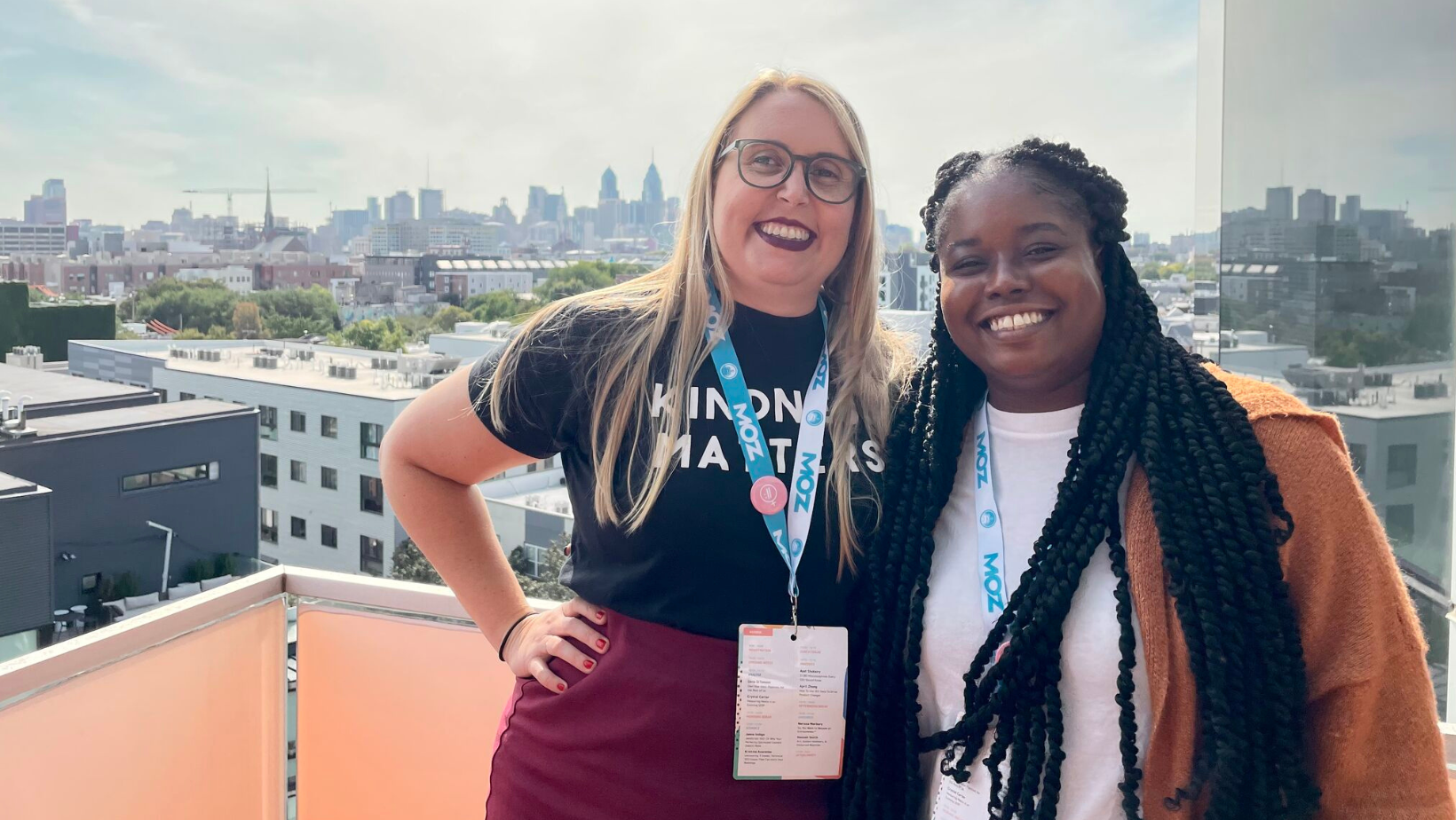
Amanda Milligan is a Fractional CMO and brand authority consultant helping startups and SMBs clarify positioning and build SEO and content strategies that drive real impact. With over 14 years of experience, she supports teams when traffic drops, markets shift, or brands need to be remembered rather than just found.
She’s also one of those genuinely kind and warm professionals, always with a smile who make the SEO community a little better just by being part of it.
1. As a fractional marketing leader, what’s the first thing you look for when a brand feels “fuzzy” or stuck?
I go back to the basics. Why was this company created? What problem does it solve, and how is their solution unique? Reassessing the brand messaging and ideal customer profile usually helps reset a brand that feels like it isn’t making progress.
2. When working with companies at inflection points what signals indicate that positioning needs to change, not just tactics?
If they’re getting customers that never repeat (and you’d think they would) or clients that don’t renew, or leads that aren’t qualified, we’re dealing with a mismatch of offering and audience. That means that even if volume is there initially, we’re not connecting with the right people.
3. What do most brands still misunderstand about creating truly valuable content?
You can create content that answers queries fairly well, and that’s fine. Perhaps you’ll rank okay and get decent traffic. But you’ll never grow further than that unless you’re saying something someone can’t find on 10 other blog posts. People – human beings – won’t remember you unless you’re doing something actually unique. And with discoverability being more diverse and complex than ever, being remembered is a key aspiration for marketing efforts.
4. Your talk at State of Search focused on authority building in a zero click AI world. What was the key idea you wanted attendees to take away?
The talk took place back in October, but the main takeaway was that you don’t have to fully pivot to brand authority as a KPI immediately; you can perform a mini audit to see where your greatest gaps are (external validation? valuable content?) and start there.
5. Which SEO conferences stand out globally for you, and what makes them special?
I used to love attending SMX Advanced. I haven’t been since they’re back in person again, but I always thought the talks were indeed advanced and the networking was great. And of course I love WTSFest, where the vibe is truly welcoming, there are no dumb questions, and I can truly feel like myself without having to “perform.”
6. As a woman in the SEO and marketing conference space, what frustrations do you still experience, and how could events improve in a constructive way?
There are still a lot of issues with speaker rosters not being diverse enough. Somehow there are still conferences with white men being the vast majority of speakers. Organizers need to put in more work to recruit speakers; it’s not enough to post a pitch form and call it a day. People who’ve only seen white men speak at an event aren’t going to feel comfortable applying. Reach out to communities (like WTSFest), reach out to marketers you admire doing cool stuff – just be more proactive.
7. Communities like Women in Tech SEO have played a big role in the industry. Why do you think organisations like WTS will be even more important in 2026?
We need safe spaces where we can talk about our concerns and challenges in the industry without fear of judgment from random people on LinkedIn or X. There’s so much performative content on those platforms, which I get – we’re all hustling out here. But still, smaller communities are one of the best places to have real conversations and build better connections.
8. Brand Authority Club is more than a service, it’s a community. What gap in the industry were you trying to fill when you created it?
When working in SEO and content, I kept seeing how building authority was a critical impact of the work that was never appreciated because it’s very difficult to measure. But that doesn’t mean it’s not important! I wanted to create a place where marketers who agree that sometimes even the hard-to-measure things matter can talk about how to do our work meaningfully, build amazing brands, and find a way to prove the value of that work.
9. Your virtual training with the American Marketing Association focuses on brand credibility in the AI era. What’s one change marketers should start making today?
Quickest change you can make is updating your own site. It’s what you have the most control over – so is your brand story being communicated effectively? Are all of the questions someone could have about your brand answered? Do you have enough authority signals presented, and are they alongside other proof points, like testimonials, reviews, product info, service demos, etc.?
10. What does a perfect weekend in Richmond look like to you?
Starting the morning at a farmer’s market or one of our amazing bakeries, and then heading over to a local bookstore to hunt for used book deals. On a sunny day, going next to Potterfield Bridge to be near the beautiful James River. Then going to dinner at Alewife or Blue Atlas or one of our other favorite restaurants, grabbing ice cream at Scoop or Spotty Dog, and watching the sunset at Libby Hill Park.