
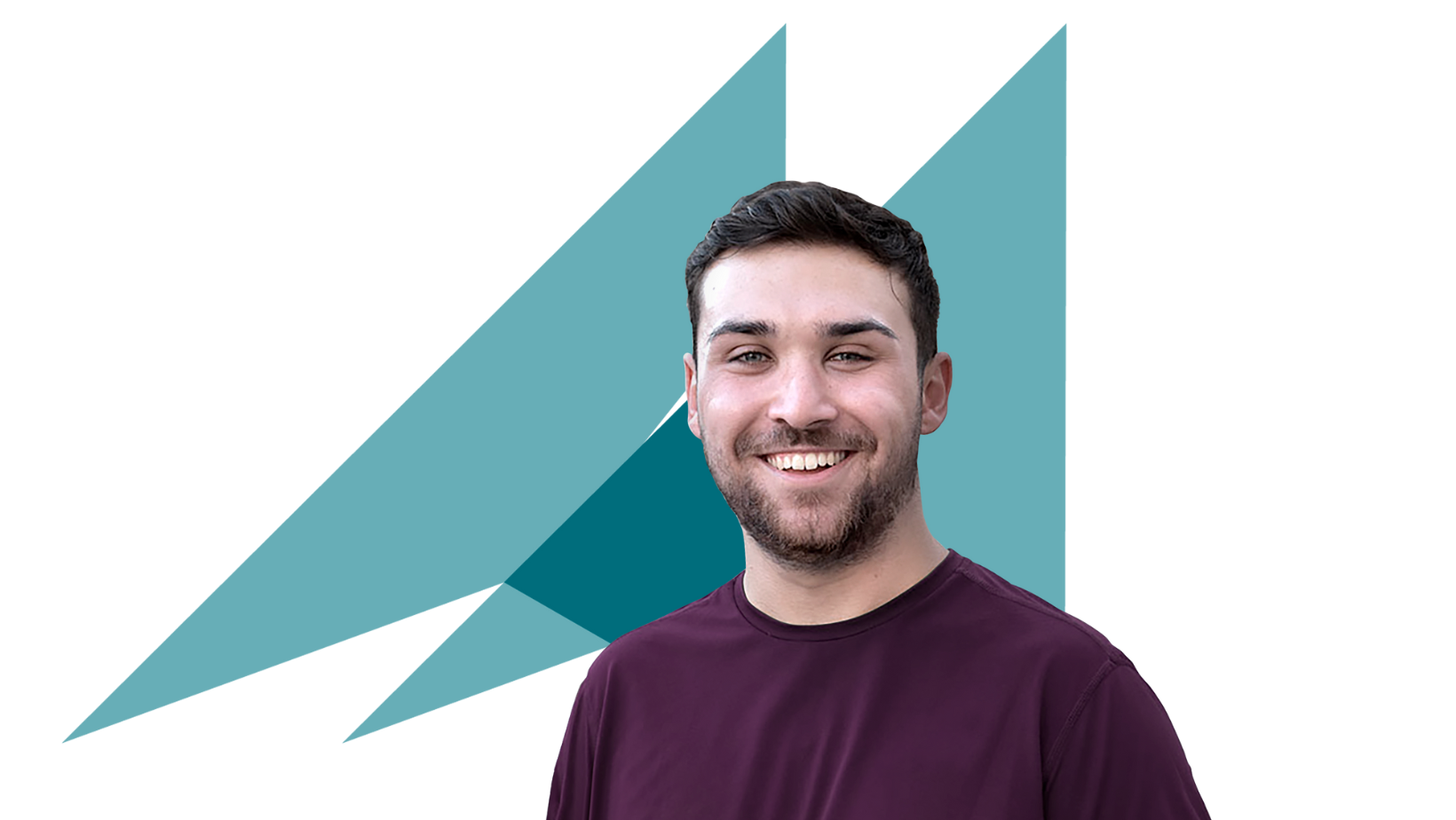
Matt Kohli is the Founder of Fortitude Marketing, a multi-channel growth agency working across SEO, Digital PR, CRO, and Paid Media. With experience spanning in-house roles, agencies, and freelance work, he brings a deeply strategic and commercially focused approach to digital growth.
The first time I met Matt was while preparing the Search with Sean podcast, and he immediately stood out as one of the most genuine, human, and transparent people in the industry.
1. Fortitude focuses on SEO, Digital PR, CRO, and Paid Media. Why was it important for you to build a multi-channel offering rather than a single-service agency?
Because real growth rarely comes from one place. SEO on its own can drive demand, but without CRO you can lose revenue. Paid Media can scale quickly, but without strong organic foundations it can become an expensive trap. Digital PR can build reputation and reach, but it delivers far more value when it’s tied back to commercial goals.
I didn’t want to build an agency that worked on one area in isolation. A multi-channel model allows us to step back, understand where a business’s audience actually spends time online, and then use the right mix of channels to reach them, convert them, and drive meaningful growth.
2. What do you think clients value most when working with you and your team?
Clients value that we explain why we’re doing something, not just what we’re doing. They also value that we’re happy to say “this won’t work” or “this isn’t the right time” if that’s the truth.
There’s no junior or account manager hand offs, they’re working directly with people who’ve seen the consequences of bad decisions and know how to avoid them (most of the time 😅).
3. One of your recent milestones was being able to fully switch off on holiday. What did you have to change as a founder to make that possible?
I had to stop being the bottleneck.
Before going away, that meant documenting processes, trusting others to own outcomes, and accepting that “done well” by someone else might look different to how I’d do it myself. The biggest shift wasn’t operational though, it was mental. Letting go of control meant letting go of the idea that everything had to pass through me to be good.
4. How did you learn to trust your team and let go of day-to-day control?
Clear expectations, good documentation, and regular check-ins have been key. Once you give people the breathing room and the right information to work independently, nine times out of ten they don’t need much oversight at all.
5. For freelancers thinking about launching their own agency, what’s the biggest mistake you see people make early on?
Rushing the big things and procrastinating the small ones.
Pricing and offering are good examples. A lot of people try to figure those out as they go, without much upfront thinking, while spending months perfecting their website and branding. In reality, as a freelancer or early-stage agency, you can refine your brand over time, but getting your pricing and offering wrong causes problems from day one.
My advice would be to speak to experienced freelancers in your space and ask for guidance on how they structure their services and pricing. You’d be surprised how open people are to sharing what they’ve learned, even when they’re technically your competitors.
6. What does the client journey look like from the moment someone first reaches out to actually starting work together?
It starts with a conversation, not a pitch.
If it feels like there’s a strong fit after the initial call, we’ll arrange a more in-depth exploratory session. That’s where we focus on the opportunity itself, the wider business context, and what the client is trying to achieve. From there, we’re able to put together a proposal that allows the prospect to make a genuinely informed decision.
We spend time understanding the business as a whole: its goals, its audiences, and how success should be defined for that specific project, whether that’s revenue growth, increased reach, greater clarity, or something else.
Our offering is deliberately broad. Sometimes that results in a longer-term retainer across multiple channels; other times it’s a clearly defined, one-off project. The structure follows the need, not the other way around.
Once everything’s aligned, we agree scope, priorities, and how decisions will be made. From there, we can get started.
7. What information or signals do you look for during the first conversations to shape the initial strategy?
As I mentioned earlier, we always start by understanding the business and its priority audiences, because that shapes everything else. Beyond that, what we look for most is cultural fit. If a business is genuinely committed to growing its marketing and willing to invest not just budget, but time and attention, that’s where we do our best work. On the other hand, if expectations are high but budget and respect for the process aren’t there, it’s usually not the right fit for either side.
8. Are there specific industries or types of e-commerce businesses you enjoy working with the most, and why?
We tend to work across two main sector buckets, which are quite different but play to similar strengths. On one side, we have a lot of experience with B2B industrial businesses, things like engineering, construction, and manufacturing, often involving considered, higher-value purchases.
On the other, we’ve spent years working in the creative space, across both B2C and B2B, including theatres, ticket sellers, cinemas, and the wider performing arts sector. That means we’re equally comfortable working with e-commerce businesses selling industrial equipment and those selling tickets for events. In both cases, the buying journey matters, and that’s where we do our best work.
9. How do you ensure strategic alignment across SEO, Digital PR, CRO, and Paid Media so that all channels work toward the same business objectives?
We build the strategy together from day one, with specialists from each channel involved so priorities are aligned rather than siloed. Channel selection is led by business and audience research, not fixed packages.
From there, we adjust the mix over time, scaling channels up or down based on where they’ll have the biggest impact. Everyone involved has an equal voice, which keeps decisions collaborative and ensures the channels work together effectively.
10. What would you say to a potential client who’s considering your services but hasn’t decided yet?
We’re always happy to have an initial conversation with no pressure or obligation. We’ll only recommend our services when there’s a clear opportunity for us to add value, and if we genuinely think a different approach or partner would be better for you, we’ll say so. The aim is to give you clarity, whether we end up working together or not.